How to Host an Afternoon Tea Party: Teapot, Tea Set, and Timing Tips
An afternoon tea is a series of small decisions that all land at once: the pot going cold on the table, the scones arriving after the sandwiches are gone, the second cup that tastes like wet paper because the leaves stayed in too long. None of it is difficult. It just has to be planned in the right order — pot first, then set, then timing — before anyone rings the bell.
Start With a Number, Not a Menu
Count your guests and count your chairs before you think about food. Six to eight people is a comfortable afternoon tea at a home table; beyond that, you are running a small café and you will spend the whole hour standing up.
Plan for ninety minutes to two hours. That is enough time for three rounds of food and two or three cups of tea each, which is what people actually want. The menu follows the same logic: savouries, then scones, then sweets, with three or four bites per person per round. Write it down on paper. A tea that is improvised at the table turns into a buffet, and a buffet is a different party.
Choosing the Teapot
Size
The old rule still holds: one cup per person, plus one for the pot. A four-cup pot gives three people a generous first round with a little left over for refills. If you are serving two different teas, use two smaller pots rather than one enormous one. A big pot of a delicate tea goes stewed and lukewarm before the second pour.
Material
Glazed ceramic and porcelain hold heat well and are the easiest to live with. Cast iron keeps tea hot longer and suits brisk black blends, but it is heavy to pour and can carry flavour from one brewing to the next if you don't rinse it thoroughly. Glass is lovely for watching whole leaves unfurl, though it cools fastest — keep it for a single quick round.
Shape and spout
Round, squat pots suit broken-leaf blacks such as Assam or an English breakfast blend, because the leaves need room to roll. Taller, narrower pots work better for whole-leaf Darjeeling and oolongs. Whatever the shape, check two things before the party: that the lid sits snugly, and that the spout pours in a clean arc without dribbling down the side. Fill it with water and test it over the sink. A teapot that drips will drip on your tablecloth at the worst moment.
Assembling a Tea Set That Works
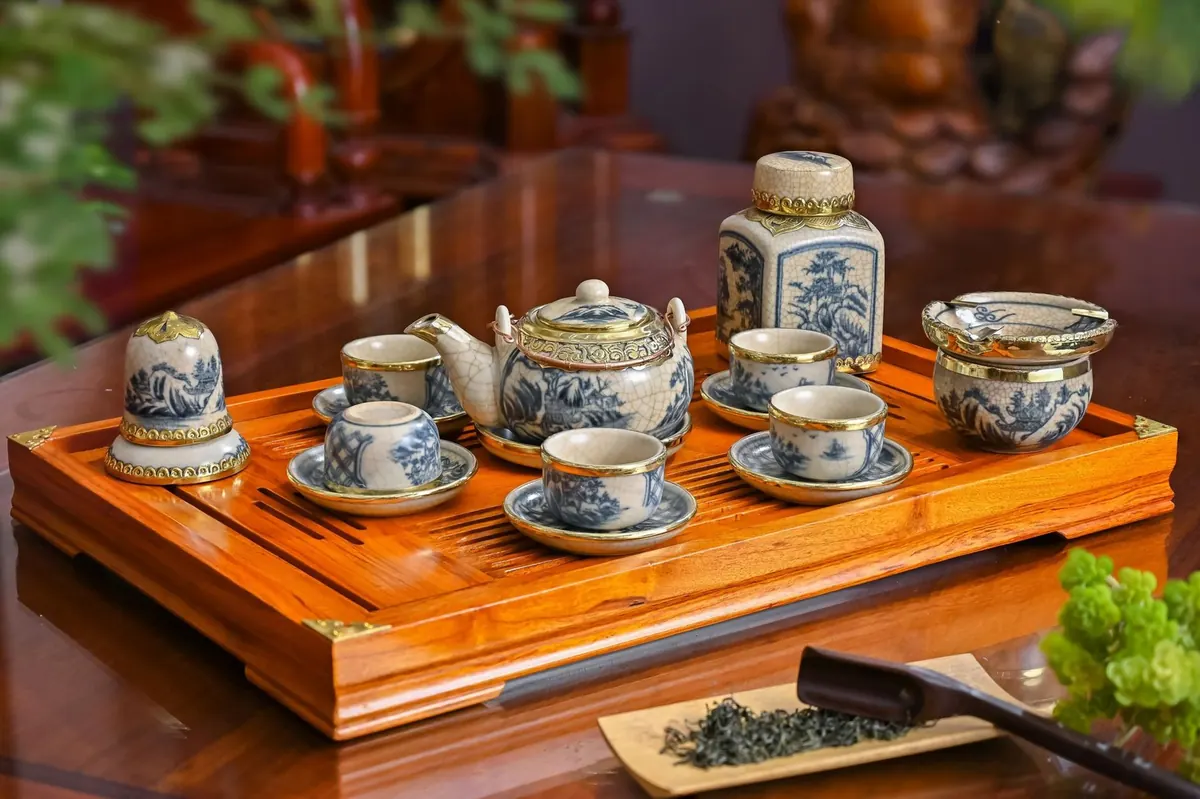
You do not need a matched heirloom service. You need pieces that each do a job. Here is a set that covers a table of six:
- Teapot, on a trivet or stand to protect the table from heat.
- Cups and saucers, roughly 5–6 ounces each, with thin rims. White interiors matter more than pattern — they let you see the colour of the tea and judge its strength at a glance.
- A small strainer for loose leaf, resting on its own saucer between pours.
- A milk jug and a sugar bowl with cubes and tongs, or fine sugar and a clean spoon.
- A hot water pot or thermos, so you can top up without reheating brewed tea.
- Teaspoons, one per guest, plus a spare or two.
- A tray for clearing used cups, so you are not making three trips to the kitchen.
Building a Brewing Schedule
The tea should be the easiest part of the afternoon, and it will be if you work to a sequence rather than to instinct.
- Fill the kettle and bring it to the right temperature for your tea. Pour a little hot water into the empty pot, swirl it, and tip it out. A warmed pot holds heat for the whole round.
- Measure loose leaf at about one teaspoon per six ounces of water, plus one extra spoonful for the pot. If you are using bags, count one per guest plus one.
- Match the water to the leaf. Black teas want water just off the boil; oolongs around 185–195°F; greens and whites lower still, roughly 160–185°F; herbals and rooibos want a full boil.
- Steep for three to five minutes for black, three to four for oolong, two to three for green and white, five to seven for herbal. Set a timer. Guessing is how tea turns bitter.
- Remove the leaves, or pour the whole pot into a second warmed pot, once the time is up.
For a longer party, brew in rounds: start the second pot while the first is still being drunk. Never reheat tea that has already steeped, and never top up a half-empty pot with fresh water and call it new — that is how you get the flat, papery cup nobody finishes.
Laying the Table and the Pour
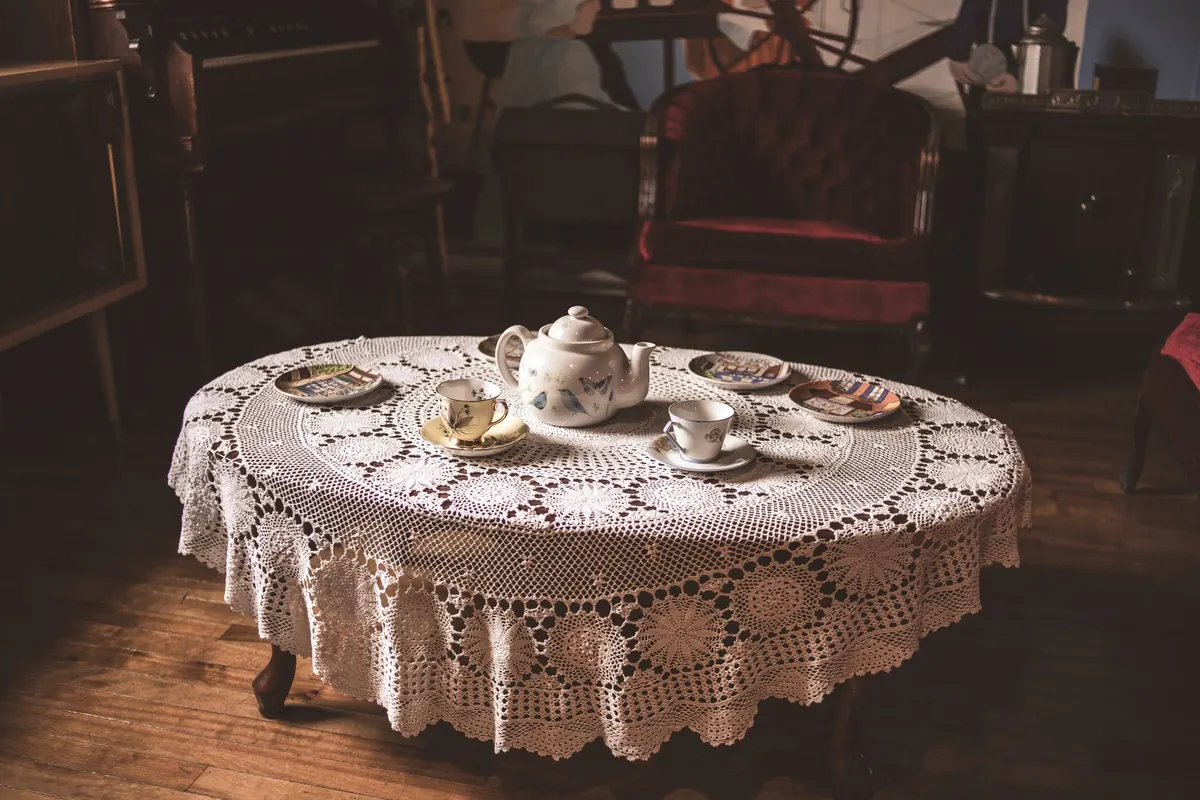
Put the pot at the centre, on its trivet, with the spout turned towards the table rather than outwards where an elbow can catch it. Keep milk, sugar and the strainer near your own seat, since you will be the one pouring for the first round. Set a spare tray at one end for empties.
Pour with the pot held low and the lid steadied with your free hand, and fill cups two-thirds to three-quarters — people need room for milk. Offer milk plainly, without ceremony; whether it goes in before or after the tea is a household habit, not a test. Rest used spoons on saucers, not back in the cups.
Timing the Food, Not Just the Tea
Make sandwiches half an hour to forty-five minutes ahead and cover them with a barely damp cloth so the bread does not dry. Bring scones out of the oven as the first guests arrive, so they are still warm when the savouries are finished. Take cream and jam out of the fridge early enough to lose their chill. Hold the sweets back until the tea is on its second round; a table loaded all at once encourages people to eat quickly and leave early.
A Practice Pot Before the Party
Two days before, brew one pot exactly as you plan to on the day: same leaf, same measure, same timer. Taste it. Check the pour, check the lid, check how long the tea stays hot in your pot. Adjust the quantity or the steeping time and write the number down. Then, on the day itself, hand one job to a friend — refilling cups, or carrying the tray — so you can sit down for at least one cup of your own tea. That, more than any matching china, is what makes a tea party feel easy.
Photo: Erik Mclean / Pexels
You Might Also Like
Rotate teapots, trays, linens, and flowers four times a year to keep a small home tea corner fresh, usable, and quietly seasonal.
Match a teapot to a tea lover's habits, space and taste with this practical guide to sizes, materials, styles and the small details that make a gift usable.