Tea Brewing Station Checklist: 10 Tools Every Loose-Leaf Beginner Needs
Loose-leaf tea rarely fails because of the leaf. It fails because the kettle is in the kitchen, the strainer is in a drawer somewhere, the cups are dirty, and by the time everything is assembled you have lost the mood. A brewing station fixes that. It is not a renovation project; it is one small, deliberate area where the kettle, the leaf, the brewing vessel and the cups live together, ready at arm's reach.
Ten tools will get you there. Most of them you already own, and the rest cost less than a decent dinner out.
Pick the spot before you buy anything
Walk your home and find the place where brewing would be easiest. It needs an outlet for the kettle, a water source within a few steps, and enough clearance that steam will not soak a wall or a stack of books. A corner of the kitchen counter works. So does a side table beside a bookshelf, or a rimmed tray on a dining sideboard — the lip of a tray catches drips that would otherwise creep under your mug collection.
Avoid spots directly beside the stove, where splatter and heat do the most damage, and avoid shelves so high that you need both hands and a stool to reach a gaiwan full of hot water. The best station is one you pass several times a day.
The ten-tool checklist
If you are starting from zero, this is the whole list. Nothing here is decorative, and nothing here requires an upgrade in the first year.
- A kettle with temperature control. If yours only boils, buy a cheap dial thermometer and let the water rest after boiling. Green tea scorched at a rolling boil tastes bitter and flat, and no amount of good leaf will cover it up.
- A digital kitchen scale, accurate to a gram. Tea is measured by weight, not by the size of a spoon, because leaf shapes vary wildly. A fluffy white tea and a dense rolled oolong will never agree on what "one teaspoon" means.
- Your main brewing vessel. Choose one: a 100–150 ml gaiwan, a small teapot, or a wide mug with a basket infuser. Buy the one that matches how you actually drink — quick solo cups, or a slow session with company.
- A fine mesh strainer. Even basket infusers let fragments through. A strainer catches the dust at the bottom of a bag and gives you a cleaner cup.
- Two or three small cups. Roughly 60–100 ml each. Small cups let you taste a tea as it cools and changes; a single giant mug flattens that experience into one long, lukewarm note.
- A timer. Your phone is fine. Steeping by feel works after years of practice, not in your first month.
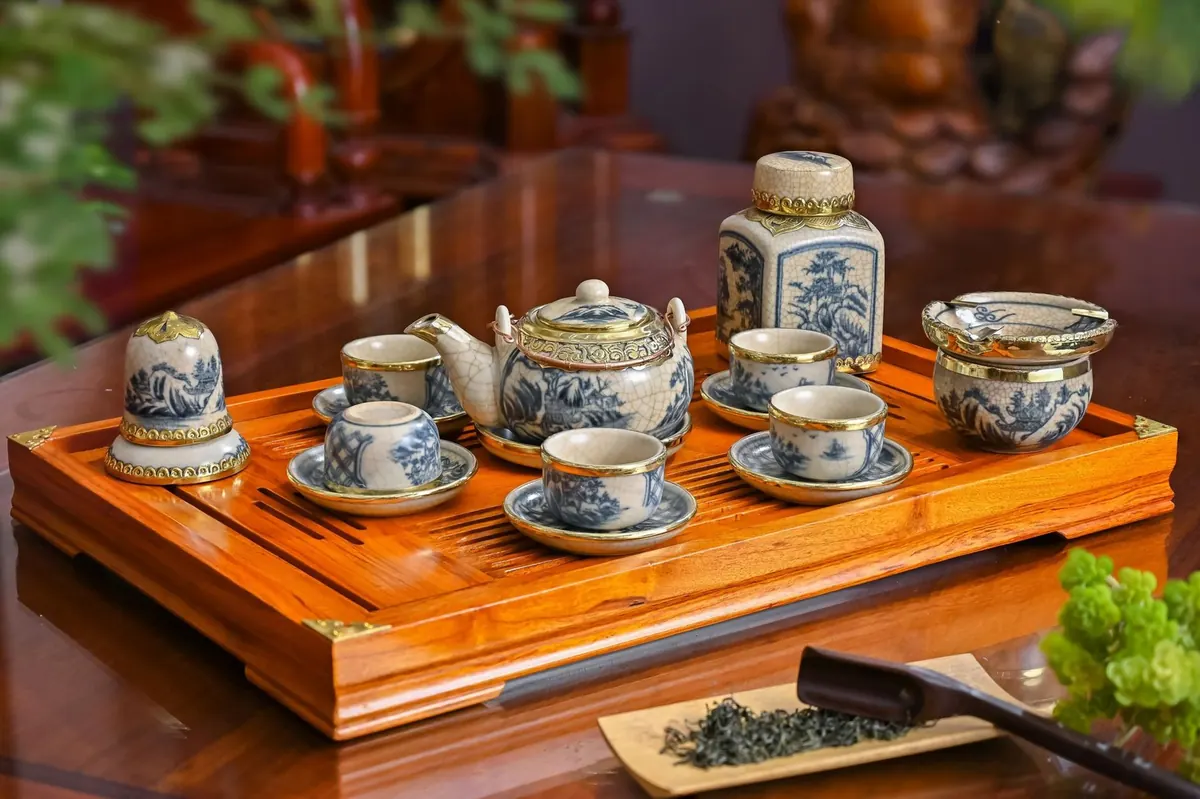
- A tray or drip catcher. Something shallow and lipped, or simply a folded tea towel that you are willing to see stained. This is what keeps the station from becoming a puddle.
- Two airtight tins. One for what you are drinking now, one for the next bag. Keep tea away from light, heat, moisture and strong smells — the spice drawer is the worst place in the kitchen for it.
- A waste bowl or spent-leaf jar. A small bowl for rinse water and used leaf saves you a dozen trips to the sink mid-session.
- A notebook or a notes app. Grams, water temperature, steep time, and one honest sentence about how it tasted. This single habit improves your brewing faster than any new pot.
Get the water right
Water is most of what is in your cup, and hard, heavily chlorinated tap water will mute even expensive leaf. If your tap water tastes fine cold, it will usually brew fine. If it tastes metallic or flat, a simple filter jug is a worthwhile addition to the shelf.
For temperatures, treat these as starting points rather than rules:
- Green and white tea: 70–80°C, short steeps, 30–60 seconds.
- Light oolongs: 85–90°C, around a minute.
- Roasted oolongs and black tea: 90–100°C, one to three minutes.
- Pu'er and other aged or compressed teas: fully boiling water, brief first steeps, with a quick rinse before drinking.
For quantity, a workable starting point is about two grams of leaf per 150 ml of water. Weigh it once, taste, then adjust in either direction. If the cup is thin, add leaf. If it is harsh, take some out or shorten the steep.
Keep the station small and self-cleaning
Every object on the tray should have exactly one home, and the tray should hold no more than you use in a week. Rotate the tea you are drinking to the front tin and put the rest in a cupboard — a station crowded with eight open bags becomes clutter within a month.
Rinse the vessel and cups with hot water as soon as the session ends, before the leaf dries and sticks. Two minutes of tidying after each brew is the entire maintenance routine. Leave a dry cloth on the tray for wiping, and empty the waste bowl daily so nothing starts to smell.
What you can skip for now
- Matching sets of porcelain. Mismatched cups taste identical.
- A tea pet, a bamboo table, and a full gongfu arrangement — lovely later, unnecessary now.
- Electric tea makers with preset programmes. They are convenient, but they hide the variables you are trying to learn.
- A cupboard full of teas. Buy three or four, drink them often, and learn what they do when you change one thing at a time.
Set it up this weekend
Clear the corner, plug in the kettle, and put the scale, strainer, cups and tins where your hand falls naturally. Brew one tea three times — same leaf, same amount, three different temperatures or steep times — and write down which cup you preferred. That is the whole practice: a small station, one variable at a time, and a note about what you tasted. The tools only exist to make that easy.
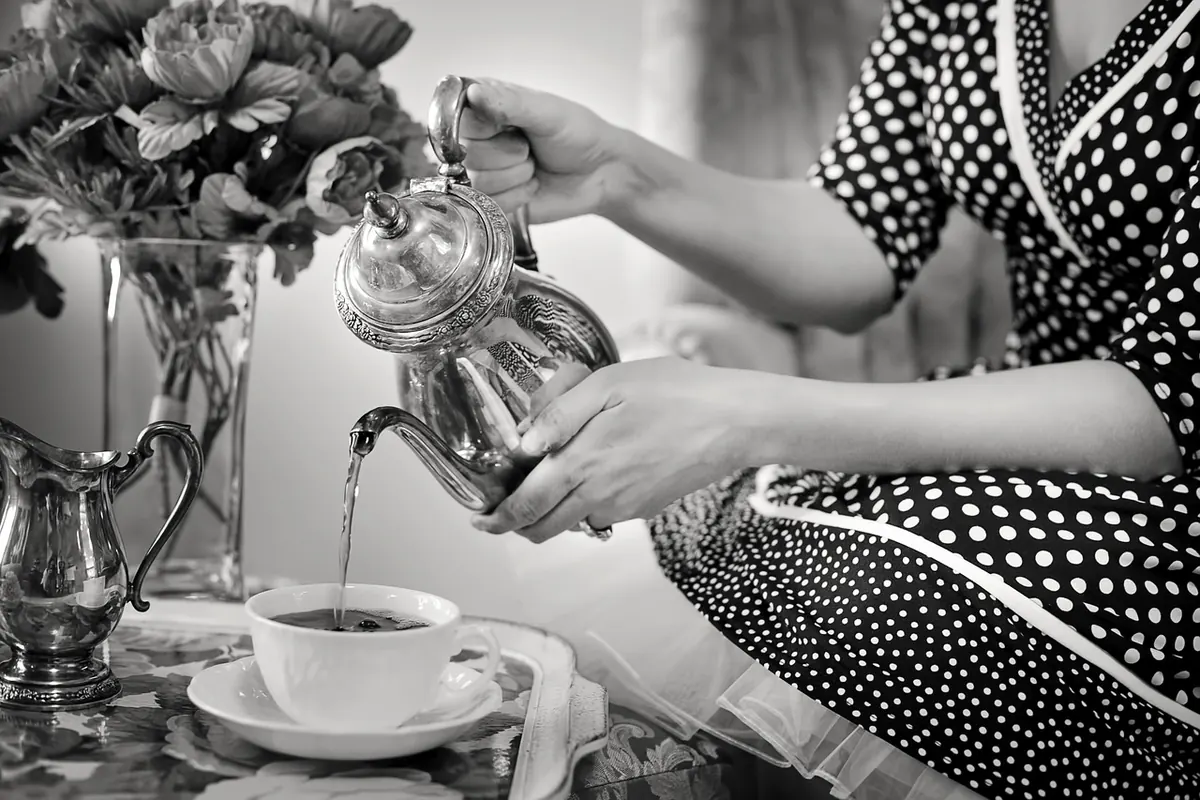
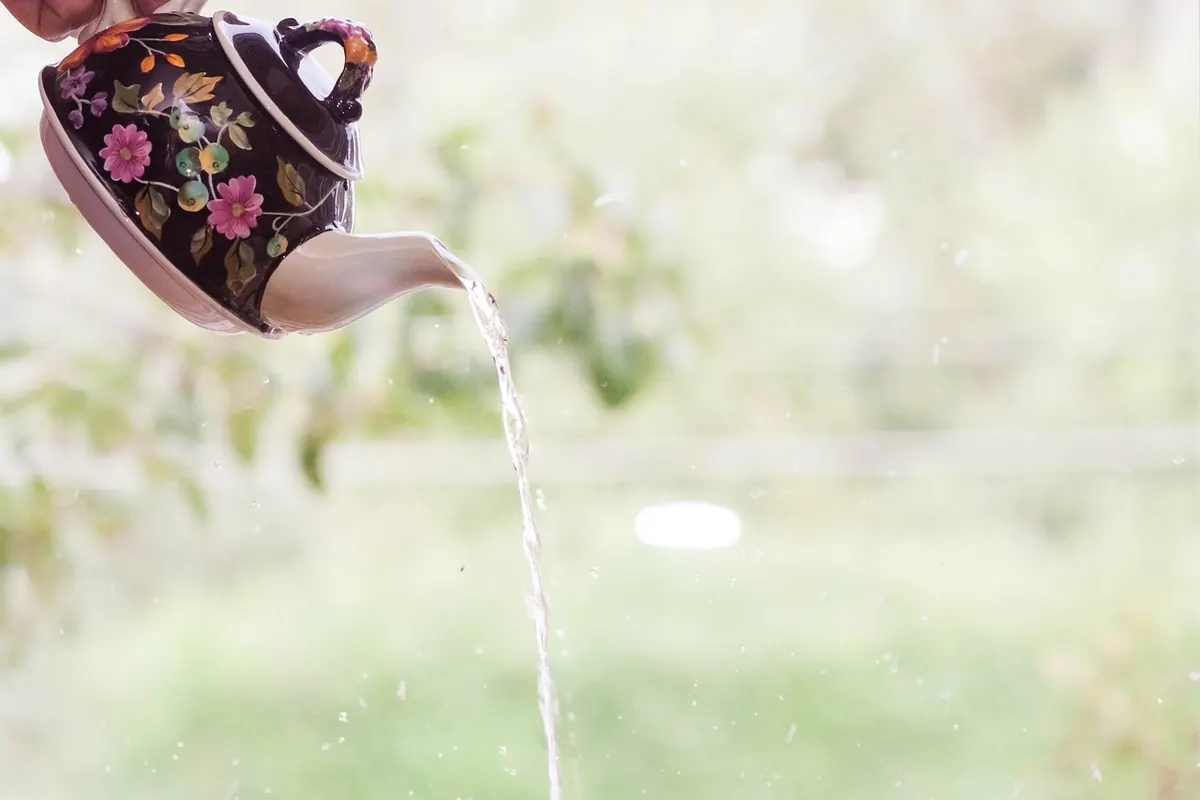
Photo: JillWellington / Pixabay
You Might Also Like
Rotate teapots, trays, linens, and flowers four times a year to keep a small home tea corner fresh, usable, and quietly seasonal.
Match a teapot to a tea lover's habits, space and taste with this practical guide to sizes, materials, styles and the small details that make a gift usable.