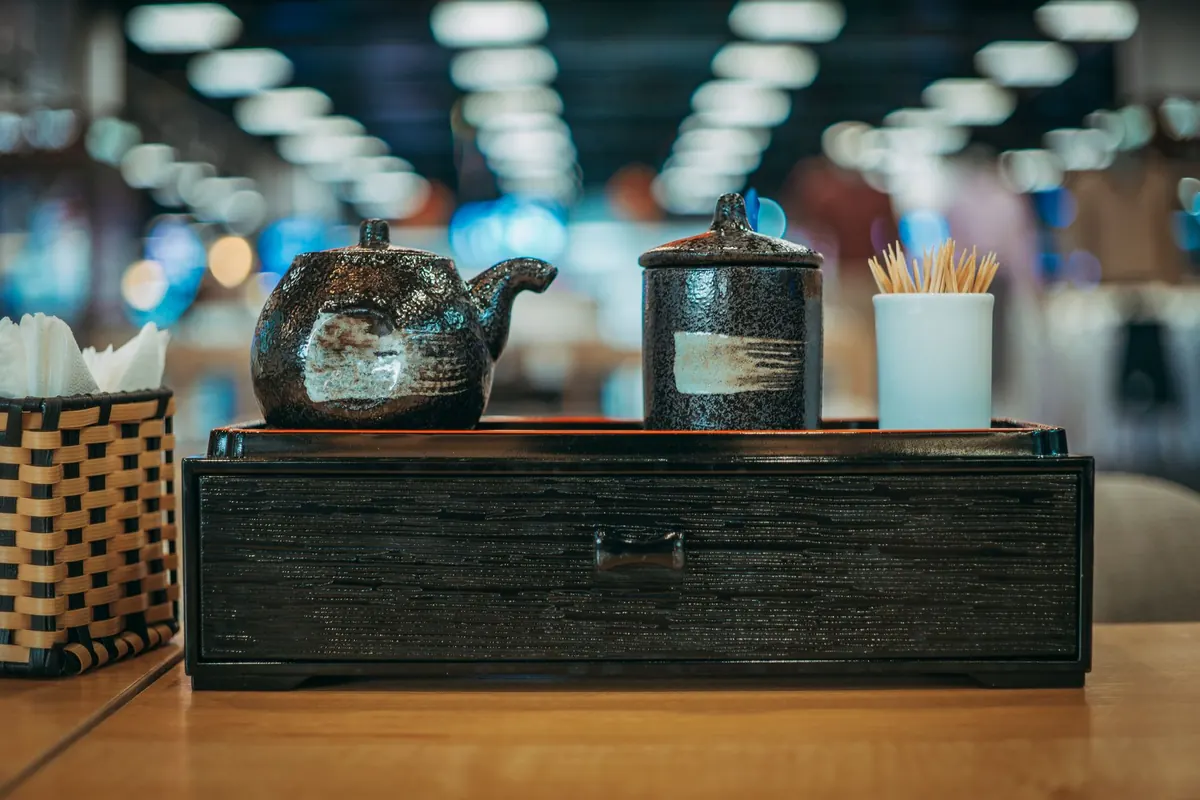
First Teapot Buying Guide: How to Match Material, Size, and Spout to Your Tea Habits
A teapot is one of the few objects you will touch every morning and think about almost never, until the day it dribbles onto the tablecloth. That is the whole trick of buying a first one: the details that matter are the ones you stop noticing because they work. Before you fall for a shape or a glaze, decide three things in order. The tea you drink most, the number of cups you brew at once, and how the pot pours. Everything else is decoration, and decoration can wait for pot number two.
Match the Material to the Tea You Drink Most
Most beginners shop by looks and then adapt their brewing to the pot. Do it the other way around. If you drink the same tea four mornings out of five, that tea should choose the material for you.
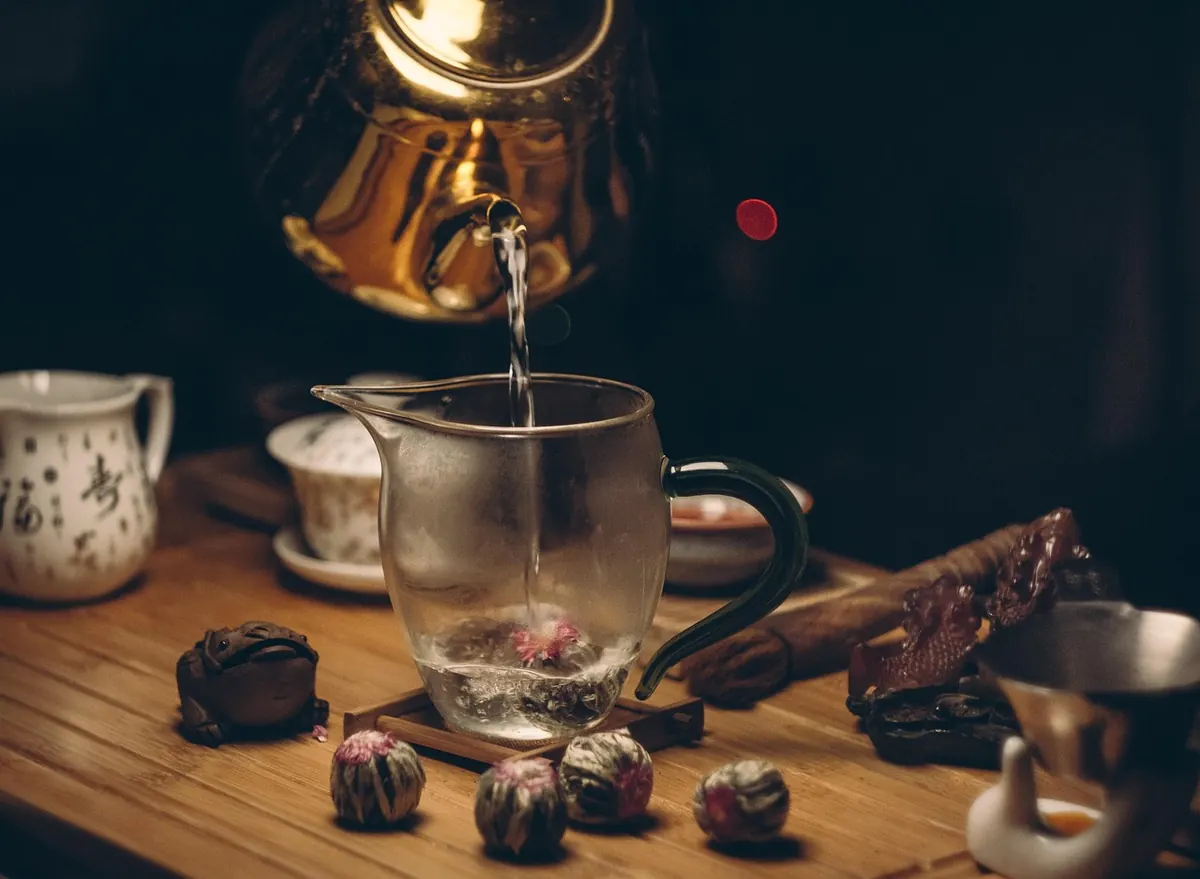
- Glass: Completely neutral, so it never argues with a delicate tea. You can watch leaves unfurl, which is genuinely useful when you are learning how much leaf to use. It loses heat quickly, so it suits greens, whites, and light oolongs you plan to drink soon.
- Porcelain: Thin-walled, neutral, cheap to replace, and easy to rinse clean. If you want one pot that handles green tea today and a smoky black tea tomorrow without carrying flavours over, porcelain is the safest first choice.
- Glazed stoneware: Holds heat longer than porcelain and comes in every colour. Good for black tea, roasted oolongs, and herbal blends. The glaze stops the clay from absorbing anything.
- Unglazed clay: Porous, so it takes on the character of what you brew and slowly gives it back. That is a pleasure if you dedicate the pot to one tea family, and a problem if you do not. It also holds heat well, which can flatten a delicate green tea.
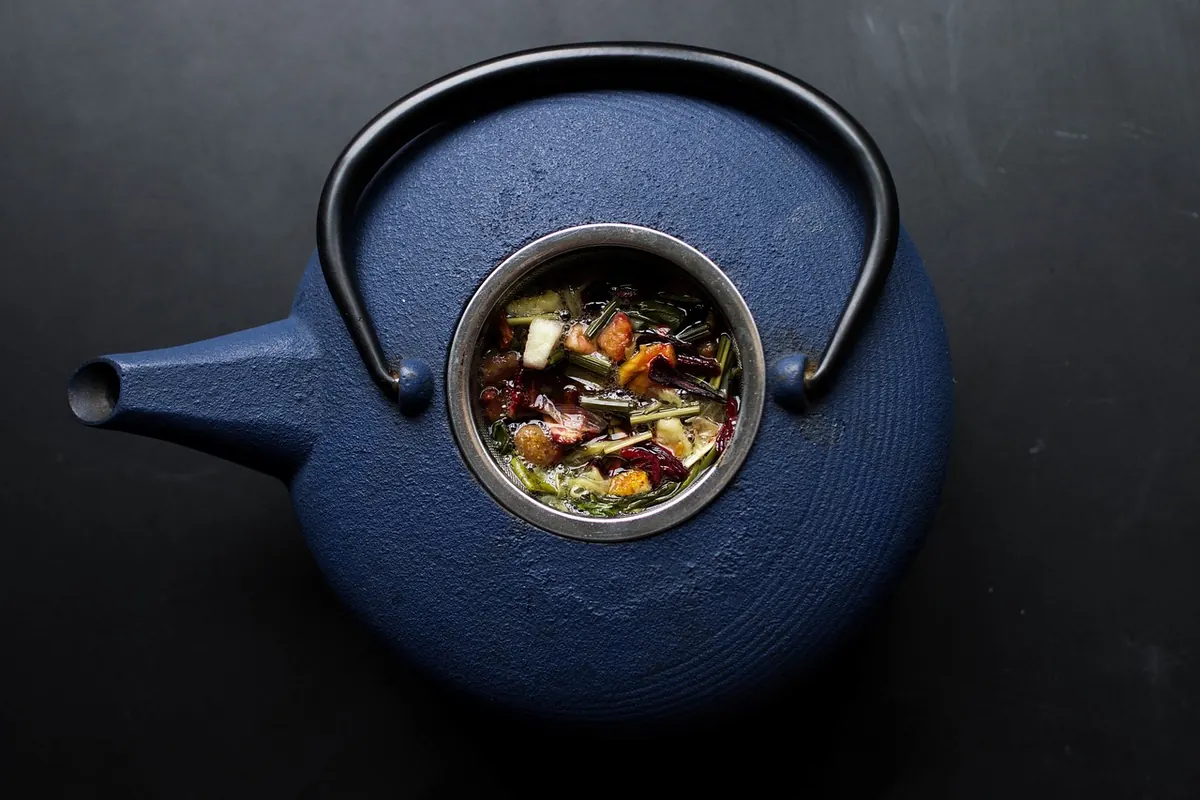
- Cast iron: Heavy, slow to cool, and usually enamel-lined inside so the iron never touches your tea. Lovely for a long breakfast with black tea. Less lovely when you have to pour a full one with one hand.
Notice that none of these is better than the others. Mismatches cause the trouble. A jasmine green tea brewed in a thick clay pot tastes dull and stewed. A bright breakfast blend in thin glass goes cold before you finish the second cup.
Size: Count Cups, Then Convert to Millilitres
Ignore the number printed on the box and picture your own mug. A 150 ml pot fills one small Chinese teacup. A 300 ml pot fills a standard mug with a little left over. A 600 ml pot makes roughly two generous mugs.
Then account for the leaves. Loose tea needs room to expand, so you should fill a pot only two-thirds to three-quarters full when brewing. A 400 ml pot is really a 300 ml pot once a spoonful of oolong has opened up.
Quick size guide
Brewing for one person, Western style, two or three cups a day: 400 to 500 ml. Brewing gongfu style, small repeated infusions: 100 to 150 ml, and you will refill it many times. Brewing for two or three people who all want a mug at the same time: 700 ml or more. If you live alone and rarely finish a pot, buy small. Cold tea is the most common fate of an oversized first teapot.
The Spout Decides Whether You Enjoy It
The spout is the part beginners examine last and regret first. A good one delivers a single, steady arc that stops cleanly. A bad one dribbles down the outside of the pot, across the table, and onto your sleeve.
Look at the opening. You want a clean, slightly oval mouth with a thin, sharp lip. A thick, rounded lip lets water cling and run backward. A short, wide spout pours fast and tends to splash. A long, slender spout gives control but needs to be well shaped, or the stream breaks into drips halfway through.
Check the strainer inside, too. Many small holes are better than one large opening, because they hold back more leaf and let you pour without a separate mesh strainer. If the pot has a single big hole, budget for a strainer and accept the extra step.
The two-minute pour test
If you can handle the pot before buying, fill it with water and pour into a cup. Watch for four things: a steady stream with no dribble down the spout, no glugging, no lid shifting or rattling, and no need to tip the pot past ninety degrees to empty the last of the water. That last point matters more than it sounds. A pot you have to wrestle at seven in the morning will stay in the cupboard.
Handle, Lid, and Balance
Hold the empty pot the way you would pour it. A side handle suits heavier pots and smaller hands, because your wrist stays straighter. A handle at the back gives more control on a small pot and lets you tip further without your knuckles hitting the lid.
The lid should sit snugly without needing force, and it should have a small air hole in the knob. Without that hole, the pour stutters and gulps. Some pots have a small nub on the lid that catches under the rim so it cannot fall out mid-pour, which is a nice thing to have if you are clumsy before caffeine.
Balance matters more than weight. A pot can be heavy and still feel stable if the handle sits opposite the spout and the centre of gravity stays low. Test it three-quarters full, not empty.
A Shortlist for Common Habits
- Green, white, and light oolong drinker: a 300 to 400 ml glass or thin porcelain pot with a fine built-in strainer.
- One big mug of black tea each morning: a 500 to 600 ml glazed stoneware pot, sturdy handle, wide lid opening for easy rinsing.
- Curious about gongfu brewing: a 120 to 150 ml porcelain pot first, so you can try many teas before committing a clay pot to one.
- Brewing for a household: 700 to 900 ml, and check that you can pour it one-handed before you buy.
- Wanting one pot for everything: glazed ceramic, medium size, removable stainless infuser basket, nothing porous.
Think About Cleaning Before You Commit
Ask how you will actually wash the thing. Unglazed clay should never see soap or a dishwasher, and it should be rinsed with hot water and dried thoroughly before the next session. Glazed pots and glass can take a gentler version of normal dishwashing, though a long soak is kinder than a hot cycle. If you have hard water, a pot with visible limescale rings is easier to notice and clean than one with a dark interior. And whatever you choose, do not leave wet leaves sitting in it overnight; that is how a neutral pot starts smelling like a compost bin.
Buy the Plain One First
Your first teapot is a learning tool, not a collection piece. Spend your money on function: a size that matches your real drinking, a spout that pours without drama, a lid that stays put, and a material that suits the tea already in your cupboard. Skip the hand-painted heirloom for now. Once you know whether you brew two small cups or one enormous mug, you will choose your second pot with far better instincts, and you will still be using the plain one on weekdays.
Photo: FOX ^.ᆽ.^= ∫ / Pexels
You Might Also Like
Rotate teapots, trays, linens, and flowers four times a year to keep a small home tea corner fresh, usable, and quietly seasonal.
Match a teapot to a tea lover's habits, space and taste with this practical guide to sizes, materials, styles and the small details that make a gift usable.