Cast Iron vs. Ceramic Teapots: Heat Retention, Flavor, and Care Compared
Pick up a cast iron teapot and you know it right away: the weight, the cool solidity, the sense that it would survive a tumble off the table. Pick up a ceramic one and the experience is different — lighter on the wrist, warmer in the hand, usually easier to pour, and often a fraction of the price.
Both brew excellent tea. The difference is in how they hold heat, how they feel in daily use, and how much attention they demand afterward. Here is the honest comparison.
Heat Retention: Mass, Speed, and the Steeping Problem
Cast iron's advantage is thermal mass. A preheated iron pot filled with just-boiled water stays hot long enough that you can pour three or four cups without reheating anything. That is the whole reason these pots exist, and it is a real pleasure on a cold afternoon.
The trade-off is that heat which stays in the pot also keeps working on your leaves. Leave a pot of black tea sitting for fifteen minutes in cast iron and you will taste the bitterness that a fast-cooling pot would have spared you. Green and white teas suffer most, because they were never meant to sit at near-boiling temperatures.
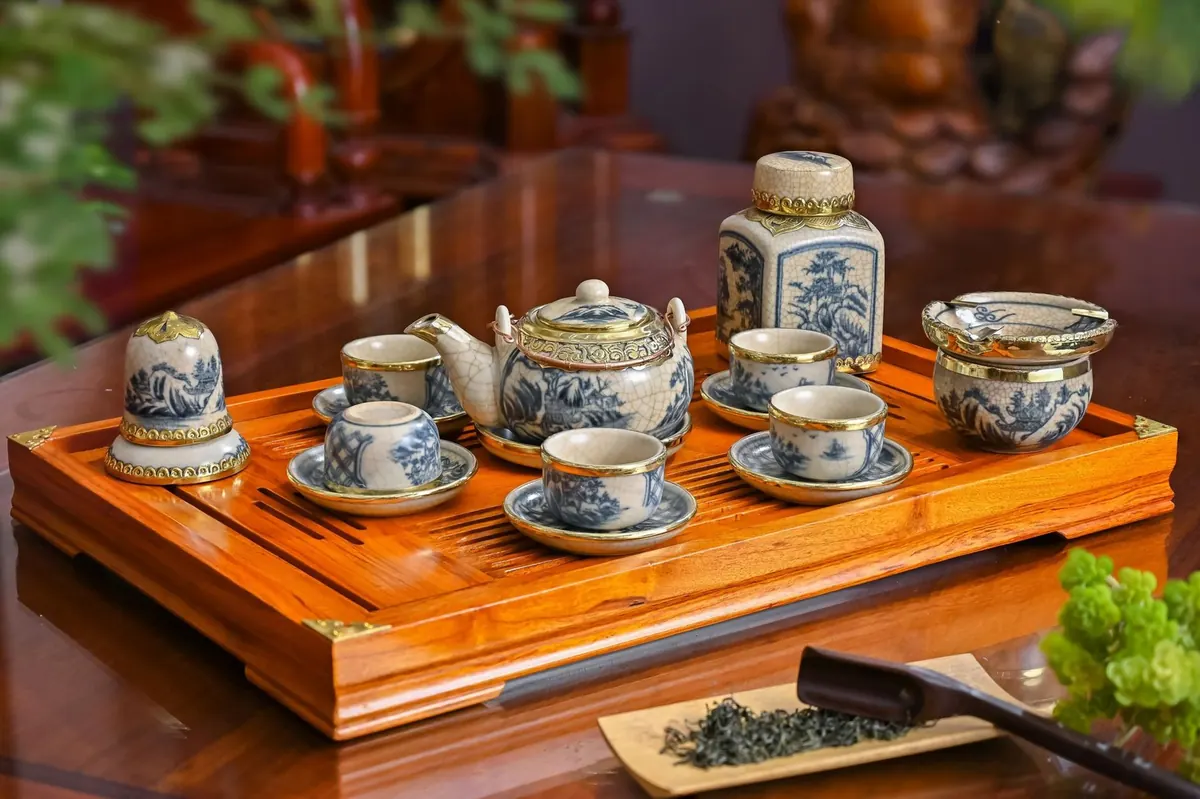
Ceramic is not one material but a range. Thin porcelain sheds heat quickly, which is why gaiwan drinkers rely on short, repeated infusions. Thick stoneware holds a comfortable middle ground. Heavy, dense clay comes closest to iron without the weight.
The preheat habit
Whatever you brew in, fill the pot with hot water, swirl it, and dump it out before adding leaves. Thirty to sixty seconds of preheating makes a bigger difference to your first cup than the material of the pot does.
Weight, Balance, and the Pour
A one-litre cast iron teapot can weigh close to two kilograms when full. That is a two-handed pour, or a pot that lives on a tea warmer in the middle of the table while everyone serves themselves. Handles on cheaper models get uncomfortably hot; a well-designed one stays cool enough to grip.
Ceramic pots are light enough to pour one-handed and to tip precisely, which matters when you are filling small cups. Because the pot itself weighs less, the pour is easier to control and less likely to slosh.
If you drink tea at a desk while working, or you have wrists that complain, the lighter pot is the one you will actually reach for every day. A beautiful heavy pot that stays in the cupboard is not much of a bargain. If you are buying in person, ask to hold the pot filled with water. Online, look for a stated weight before you commit.
What Each Material Actually Adds to the Flavor
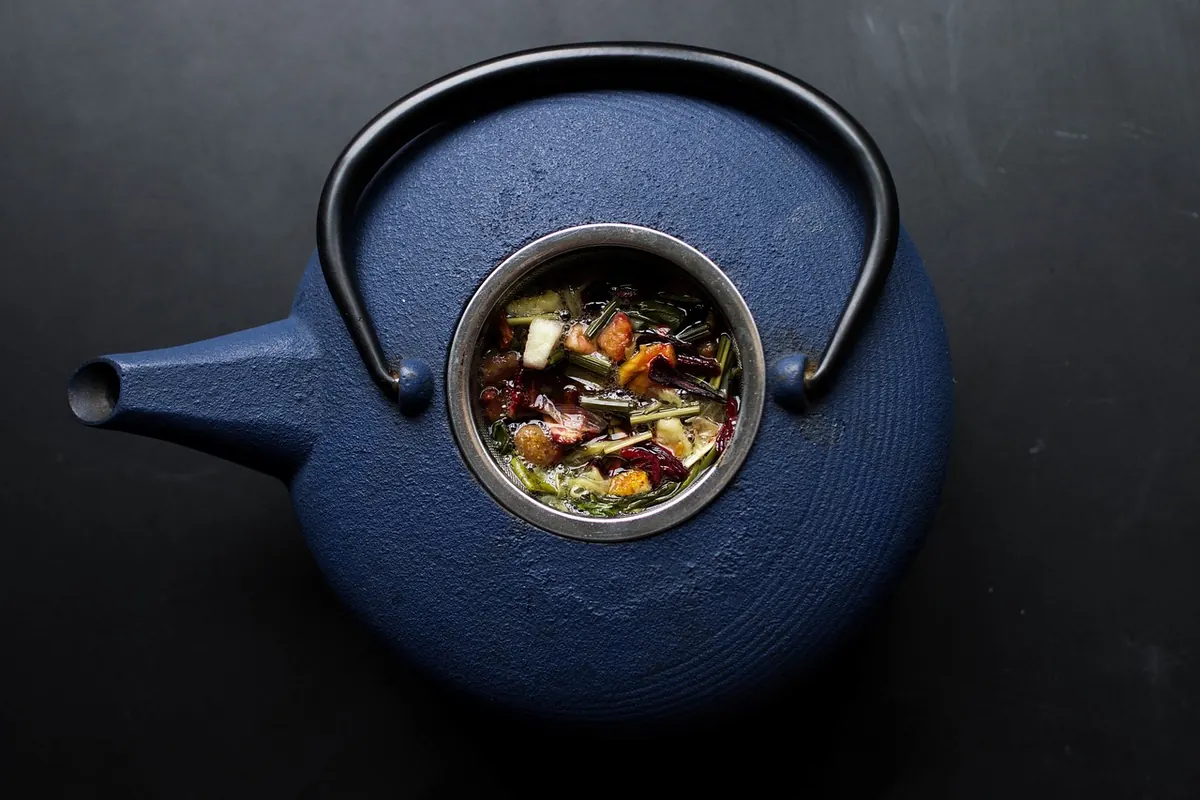
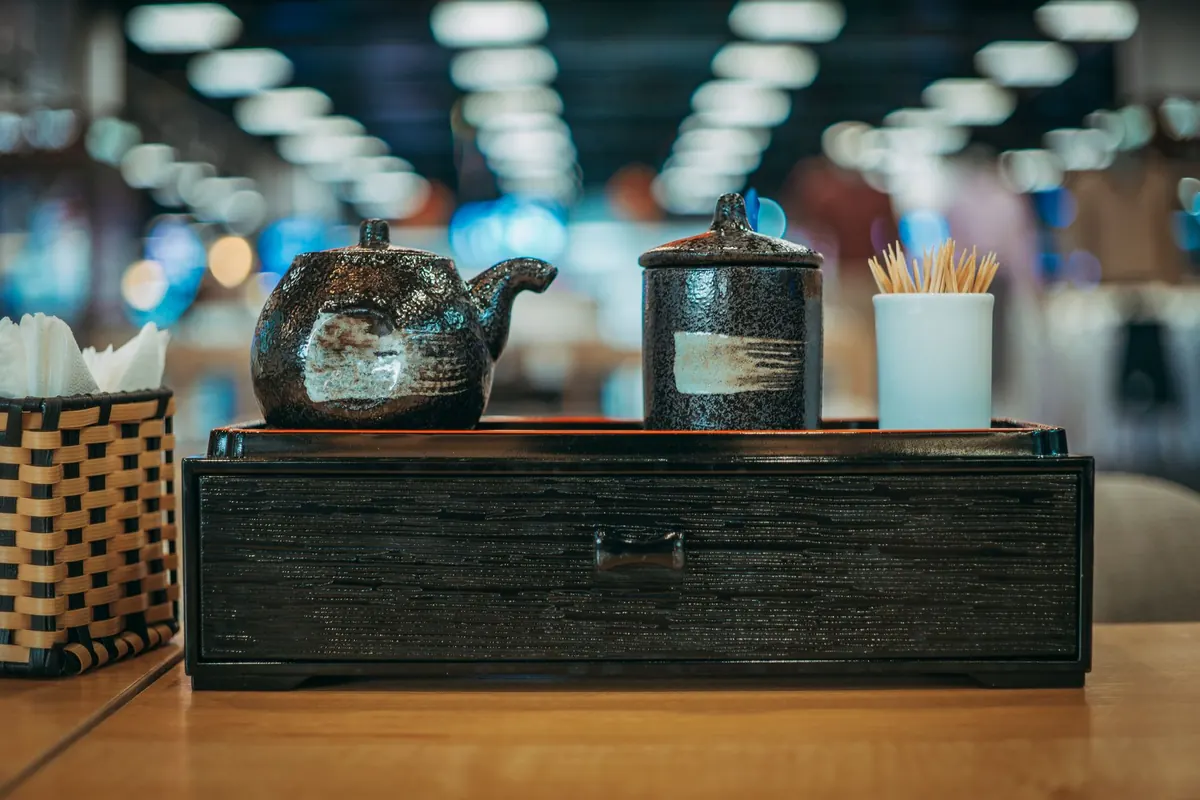
Most cast iron teapots sold today have an enamel lining inside. That lining makes them essentially inert: no seasoning to maintain, no rust on the interior, no metallic note in your cup. It is the practical choice, and for most people it is the right one.
Unlined iron and traditional tetsubin behave differently. The iron interacts subtly with the water and with tannins, which is why they are traditionally used for boiling water rather than steeping leaves for long periods. Never store tea in an unlined iron pot.
Glazed ceramic is also neutral, so your tea tastes like tea and nothing else. Unglazed clay is the opposite: it is porous, absorbs oils from the leaves, and slowly seasons. That is a feature if you dedicate the pot to one type of tea — oolong, say, or ripe pu'er — and a problem if you brew everything in it, because yesterday's smoky lapsang will show up in today's delicate green.
Leaves, water temperature, and steeping time shape your cup more than the walls around them. The pot's job is to stay out of the way — or to add something you deliberately want.
Care: Two Very Different Routines
Cast iron
- Empty the pot as soon as you finish drinking. Do not let tea sit in it.
- Rinse with hot water. Skip soap inside, especially on an unlined interior.
- Dry it immediately, inside and out, with a soft cloth. Let the lid dry separately rather than sealing it back on.
- Check whether your pot is stovetop-safe. Many enamel-lined teapots are for brewing only — heat the water elsewhere and use a candle or electric warmer to keep the pot hot.
- Avoid abrasive pads. A chipped enamel interior cannot be repaired, and chips are where rust starts.
Ceramic
Glazed ceramic is forgiving. Warm water, a drop of mild soap, and a soft sponge handle almost everything; some glazed pots are dishwasher-safe, but only if the maker says so. The main risk is thermal shock, so warm the pot with a little hot water before pouring in a full kettle, and never move it straight from a cold cupboard into a hot sink.
Unglazed clay is the fussy one: hot water only, no soap, dry it fully, and keep it for one tea family. If a pot develops a hairline crack, retire it to the shelf. Hot water and a failing vessel are not a combination worth testing.
One more check when you buy: look for clear food-safe or lead-free glaze labeling, particularly on older or unverified pieces. If you are uncertain about a specific pot, ask the seller or a qualified professional before brewing in it regularly.
A five-minute routine that works for both
- Empty the leaves into the bin, not the sink.
- Rinse the pot with hot water and swirl.
- Wipe the interior and exterior dry.
- Leave the lid off until the pot is completely dry.
- Store it with the lid resting loose, not sealed tight.
How to Choose
Choose cast iron if you sip slowly, brew in larger volumes, want a pot that stays hot through a long conversation, and do not mind the weight or the drying ritual. It suits black tea, roasted oolong, and aged pu'er especially well.
Choose ceramic if you want something light and easy to pour, if you brew delicate greens and whites at lower temperatures, if you change teas often, or if you simply want more freedom in shape and color. A mid-weight glazed stoneware pot is the most versatile single purchase most people can make.
And if you end up with one of each, that is not indecision. It is a winter pot and a summer pot.
Photo: StockSnap / Pixabay
You Might Also Like
Rotate teapots, trays, linens, and flowers four times a year to keep a small home tea corner fresh, usable, and quietly seasonal.
Match a teapot to a tea lover's habits, space and taste with this practical guide to sizes, materials, styles and the small details that make a gift usable.